




The NYS electronic recycling law Albany requires businesses and residents to responsibly manage e-waste through accurate categorization, separation, and proper disposal methods like data destruction. It mandates drop-off locations, encourages collaboration with certified recyclers, and imposes strict environmental standards to reduce toxic material release. The goal is 80% landfill diversion by 2030, fostering a circular economy and minimizing electronic waste's environmental impact.
In today’s digital age, the responsible management of electronic waste is a pressing issue worldwide. New York State, recognizing the growing problem, has implemented a robust NYS electronic recycling law in Albany to steer clear of harmful disposal methods and promote sustainable practices. However, navigating these regulations can be intricate for businesses and residents alike. This article serves as a comprehensive guide, delving into the intricacies of the law, highlighting its benefits, and offering practical insights to ensure compliance and foster a greener future.
- Understanding NYS Electronic Recycling Law
- Who Does the Law Apply To and What Electronics Are Covered?
- Collection and Disposal Requirements Under Albany's Rules
- Ensuring Compliance: Best Practices for Responsible Recycling
Understanding NYS Electronic Recycling Law

The New York State (NYS) electronic recycling law is a comprehensive regulatory framework designed to promote responsible management of electronic waste across the state. This legislation, enacted with the support of local Albany initiatives, aims to reduce the environmental impact of e-trash and encourage the efficient recycling of electronics throughout the Albany area. The NYS electronic recycling law requires businesses and residents alike to comply with strict guidelines regarding the disposal and recycling of electronic devices, including computers, phones, and other consumer electronics.
In adherence to these rules, local Albany electronics drop-off locations have proliferated, providing convenient access for residents to responsibly dispose of their e-trash. These locations often partner with certified e-trash removal services Albany businesses can rely on to ensure proper recycling or secure destruction of electronic waste. By availing themselves of these services, businesses not only comply with Albany recycling rules but also contribute to a circular economy that minimizes the environmental footprint of electronic devices. For instance, according to recent studies, proper e-waste management can recover valuable materials such as gold, silver, and copper, reducing the need for mining and conserving natural resources.
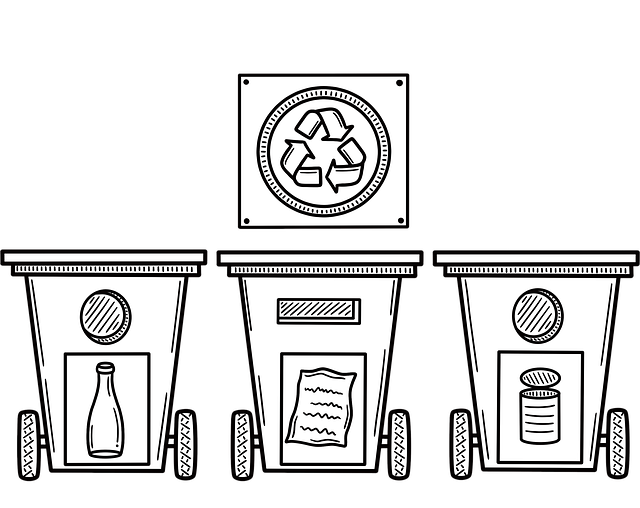
Complying with the NYS electronic recycling law involves several key steps. First, businesses must categorize their electronic waste accurately and separate it from general trash. Next, they should contract with a certified e-recycling facility or hauler to ensure proper disposal methods, such as data destruction for sensitive devices. Regular audits and training sessions for employees can further facilitate compliance. For instance, many Albany-area businesses have found that partnering with reputable local recycling centers not only simplifies the process but also fosters a culture of environmental stewardship among their workforce.
Moreover, staying informed about updates to the NYS electronic recycling law is crucial for businesses aiming to remain compliant. The state regularly revises these regulations to incorporate best practices and new technologies in e-waste management. By keeping abreast of these changes, Albany area businesses can not only maintain legal compliance but also position themselves as leaders in sustainable practices. Ultimately, a concerted effort from both businesses and residents is necessary to fully realize the benefits of the NYS electronic recycling law and create a cleaner, more sustainable future for the community and environment.
Who Does the Law Apply To and What Electronics Are Covered?
The NYS electronic recycling law, established by Albany, extends far beyond just protecting consumers; it’s a comprehensive framework designed to mitigate electronic waste (e-waste) across the state. This legislation significantly impacts businesses and individuals dealing with electronic devices, ensuring proper disposal methods for a wide range of tech products. The scope includes various electronics, from computers and phones to small household appliances, thereby fostering a circular economy in New York State.
The law specifically targets manufacturers, retailers, and collectors of electronic equipment, holding them accountable for responsible recycling. This means that businesses engaged in selling or distributing electronics must offer free take-back programs for consumers at end-of-life, facilitating the collection and proper disposal of these items. For instance, local Albany electronics drop-off locations and recycling centers can collaborate with manufacturers to establish collection points, ensuring efficient e-waste management within communities. Residents are encouraged to avail of these services, contributing to the state’s sustainability goals.
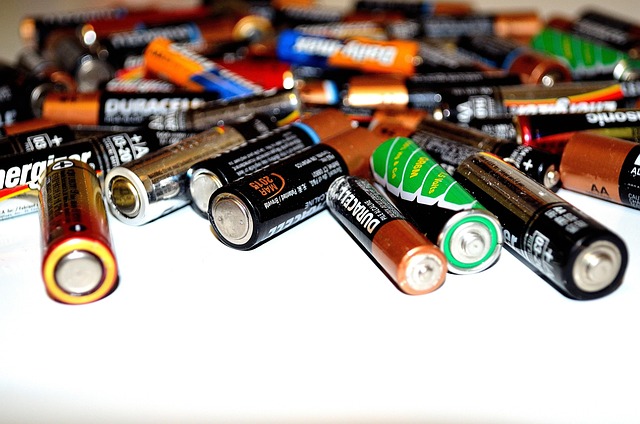
Covered electronics under the NYS electronic recycling law include, but are not limited to, computers, monitors, printers, keyboards, mice, cell phones, and tablets. This inclusive list emphasizes the state’s commitment to addressing the rapid growth of e-waste. Recycling centers near me in Albany, for instance, can guide residents on proper disposal methods, ensuring hazardous materials are handled safely. By adhering to these regulations, New York State aims to minimize environmental impact and promote responsible consumer behavior regarding electronic device lifecycles.
Collection and Disposal Requirements Under Albany's Rules

The NYS electronic recycling law Albany establishes rigorous guidelines for the collection and disposal of e-waste, reflecting a broader state initiative to minimize environmental impact from electronic devices. These rules, enforced by local government recycling programs across Albany, prioritize responsible management of hazardous materials commonly found in electronics, such as lead, mercury, and cadmium. Businesses and residents alike must comply with these standards, ensuring proper separation and disposal of items like computers, phones, and TV sets.
Under the Albany regulations, electronic device collection often occurs at designated drop-off points or during special events organized by local recycling programs. These events encourage residents to responsibly dispose of outdated electronics while raising awareness about the environmental impact of e-waste. For instance, Albany’s annual “E-Waste Recycling Day” provides an opportunity for locals to get rid of unwanted electronics safely and legally. Residents are advised to check the city’s website or contact local authorities for information on upcoming collection events.
Proper disposal is key. NYS state e-waste disposal regulations mandate that recycled materials be processed in accordance with strict environmental standards. This includes ensuring that hazardous substances are extracted and treated appropriately, preventing toxic elements from entering the environment. To facilitate this, Albany encourages the use of certified e-recycling facilities that follow best practices for dismantling and processing electronic devices. By adhering to these guidelines, Albany aims to foster a sustainable future by reducing the environmental footprint of electronic waste generated within its boundaries.
Ensuring Compliance: Best Practices for Responsible Recycling

Navigating the NYS Electronic Recycling Law: Ensuring Compliance for Albany Businesses
In New York State, responsible electronic waste (e-waste) management is a critical component of sustainable tech practices, with specific regulations guiding businesses in Albany and across the state. The NYS electronic recycling law requires organizations to handle and dispose of electronic devices responsibly, aligning with broader environmental goals. This legislation sets clear expectations for businesses to meet their duties regarding e-waste, aiming to reduce environmental impacts and foster a circular economy. One key aspect of compliance is understanding how to properly recycle electronics in Albany while adhering to state targets.
Businesses operating in Albany should familiarize themselves with the state’s electronic device recycling targets, which aim to divert 80% of electronic devices from landfills by 2030. Achieving this goal involves implementing robust e-recycling programs and promoting consumer awareness. For instance, large retailers and manufacturers based in Albany must establish collection sites for used electronics and ensure proper processing. By adopting sustainable tech practices, businesses can contribute to a significant reduction in e-waste, benefiting both the environment and local communities.
To ensure compliance, Albany companies should consider partnering with certified e-recycling facilities that meet state standards. Proper segregation and classification of electronic items are essential first steps. For example, hazardous substances like batteries, lamps, and computers require specialized handling. Businesses can enhance their practices by providing clear guidelines for employees and customers on how to recycle electronics responsibly. Additionally, offering incentives or promotions for e-waste drop-offs can encourage participation and foster a culture of environmental responsibility among Albany’s business community.
The NYS electronic recycling law Albany outlines comprehensive guidelines for responsible e-waste management, encompassing a wide range of electronics. Key takeaways include strict regulations on who must comply—including manufacturers, retailers, and businesses—and the types of devices covered, from computers to small appliances. Compliance involves adhering to specific collection and disposal methods, ensuring proper treatment and data security. Best practices emphasize the importance of partnering with certified recyclers, providing clear consumer education, and implementing robust internal processes. By understanding and following these requirements, organizations can not only meet legal obligations but also contribute to a sustainable future by maximizing resource recovery from electronic devices.